
Preparing For Cold And Wet Hikes
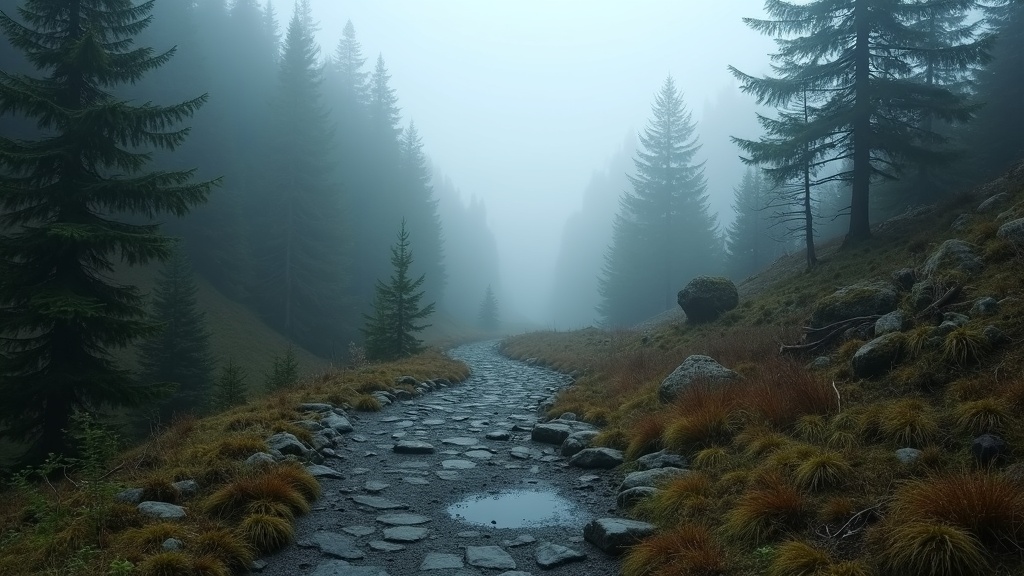
If you’ve ever set out on a hike just to run into unexpected rain or biting cold, you probably learned pretty quickly how important preparation is. Hiking in cold and wet weather can open up a whole new vibe; think misty forests or snow-dusted trails. However, it does demand some extra planning to stay safe and comfortable. Getting ready isn’t just about gear; it’s about knowing what to expect, managing moisture, and making sure you’re prepared for anything the trail throws your way.
Why Proper Preparation Matters for Cold and Wet Hikes
Hiking through chilly rain or snowy trails can be pretty rewarding, but it also increases the risk of discomfort, hypothermia, and cut-short adventures if you’re not well-prepared. Wet conditions can make trails slippery and zap your body’s heat fast, even when it’s above freezing. Cold, damp air also makes it easier to misjudge how fast you’re losing that precious warmth.
I’ve found that a little extra prep doesn’t just keep you warm and dry; it can also turn a tough trek into a fun and memorable experience. Knowing why each item and step matters is a big deal for new hikers heading out into unpredictable weather.
The Basics: Essential Clothing for Staying Dry and Warm
The right clothing makes all the difference when you’re up against the elements. When I gear up for a wet or frosty hike, I always use a layering system because it lets me adapt on the fly if the weather shifts.
- Base Layer (Moisture Management): This layer sits right against your skin, so it’s there to wick away sweat and keep you from feeling clammy. Synthetic fabrics like polyester or Merino wool are favorites of mine because they dry fast and don’t trap moisture next to your skin.
- Insulating Layer (Heat Retention): A good fleece or puffy jacket holds in your body heat. Down is cozy, but synthetic insulation is a safer bet if it could get soaked since it still keeps you warm when wet.
- Outer Shell (Weather Protection): Waterproof, breathable jackets and pants are lifesavers. Look for features like pit zips, adjustable hoods, and storm flaps. If you skimp anywhere, don’t let it be here. I always double-check my rain jacket before a big trip to make sure there are no leaks from last season.
Gear Up: Important Equipment for Wet and Cold Trails
Your pack gets heavier when you’re adding extra layers and gear, but there are some items I never leave behind for cold or rainy day hikes.
- Waterproof Backpack Cover: Even packs with water resistant material can soak through during steady rain. Pack covers and dry bags are really handy for protecting your phone, snacks, and spare clothes.
- Proper Footwear: Waterproof boots with good traction and gaiters keep your feet dry and help prevent slipping on slick rocks or logs. Cold feet make for a pretty rough outing, so I stash an extra pair of wool socks in a plastic bag just in case.
- Trekking Poles: Poles are a big help for balance on muddy or icy trails. I’ve caught myself more than once with a quick brace from a pole before sliding down a messy slope.
- Emergency Gear: In my kit, I keep a headlamp, space blanket, extra snacks, and a compact first aid kit. Wet conditions can slow you down and keep you out later than planned, so it’s better to play it safe.
Quick Checklist for Prepping Your Wet Weather Hiking Pack
- Test Your Rain Gear: Check your jacket and pants for rips or worn seams. Make sure the zippers still work, and bring a repair kit if you’ve had issues in the past.
- Pack Multiple Layers: Bring a backup base layer and socks in a dry bag. Getting wet and not having anything to change into can ruin your trip.
- Bring High Energy Snacks: Cold and wet hiking burns more calories. I always pack extra snacks like energy bars and something salty to help replace what I sweat out.
- Stay Hydrated: You might not feel as thirsty in cold weather, but hydration still matters. Warm tea in a thermos can be a nice morale boost at lunch.
- Check Trail Conditions: Scan weather forecasts and check for recent reports about the trails. Flooded rivers or icy patches can change plans fast.
This routine helps me hit the ground running, confident that I can handle whatever comes up. When you know how to prep, you’re already one step ahead.
Things Worth Thinking About Before Heading Out
Colder and wetter hikes can go sideways in a few sneaky ways. Here are some real-life hazards and how you can get ahead of them:
- Slippery Surfaces: Wet rocks, logs, and steep hills are a recipe for slips. Test each step before committing, and use those trekking poles for backup.
- Navigation Challenges: Fog, heavy rain, or swirling snow can hide trail markers or blur familiar sights. A waterproof map and GPS come in clutch. I always snap a photo of the trail map at the trailhead before starting out, too.
- Hypothermia Risks: Wind, rain, and chilly temps can quickly sap body heat. Know the signs; shivering, slurred speech, clumsy hands—take them seriously. Having an emergency blanket and knowing when to call it quits can really make a difference.
- Wet Hands and Feet: Cold, wet extremities get numb fast and make tasks tricky, from tying laces to opening snack bars. Carrying spare gloves in a waterproof pouch pays off the first time you soak a pair by accident.
Keeping Electronics and Extras Dry
Phones, headlamps, batteries, and even certain snacks can get wrecked by water. I keep mine sealed in zipper bags or designated dry sacks. A backup charging pack also gets wrapped in a sandwich bag for extra peace of mind. If the weather looks especially nasty, I’ll even wrap sensitive gear in a soft cloth first, then double-bag it. It’s amazing how quickly moisture sneaks in, so a little extra protection can save your electronics and keep you connected in case of emergencies.
Pacing and Recognizing When to Turn Back
Slippery trails make you move slower. I always plan extra buffer time and pay attention to how much daylight is left. It’s hard to admit when it’s time to head back, but the mountain will always be there tomorrow. Trusting your gut—even turning around before you feel pushed—isn’t a failure but an important part of staying safe. Every hiker I know has a story about a day they headed back early and felt grateful they listened to their instincts.
Advanced Tips for Staying Comfortable and Safe
Experience and practice really help dial in your wet weather hiking game. Here are some techniques and habits I’ve picked up from seasoned hikers and my own time on the trails:
Master the Art of Layering: Adjust layers before you get sweaty or chilled. I start hikes a little cool and add insulation as I stop or if the wind picks up. Swapping a damp base layer for a dry one at lunch can be a gamechanger in your comfort level.
Rethink Cotton: Even in warmer wet weather, cotton clings and keeps you cold. Synthetics and wool dry faster and keep you warmer no matter what. After one too many soggy hikes in jeans as a teen, I don’t even pack them for car rides to the trailhead anymore.
Choose Snacks That Are Still Good Wet: Some bars or food get gross when soggy, so I like tough, individually wrapped snacks or trail mix sealed in bags. If you’re carrying bread or tortillas, double-wrap them or tuck them in your dry bag, too.
Warm Up with Breaks: Make your stops short and layer up as soon as you rest. I keep a lightweight insulated jacket handy in an outside pocket for quick access. Sometimes, when it’s especially cold, I even bring a tiny seat pad so I don’t lose heat to cold rocks or wet ground. Little comforts like this can make you more likely to actually take needed breaks.
Pay Attention to Changing Conditions: Trails can look a lot different after heavy rain or sudden snowfall. Water crossings can get faster and riskier, and familiar paths get muddy or icy. Keep a backup plan in mind and always let someone know your route. If you’re in a group, agree ahead of time on turnaround points or signals so everyone stays on the same page even if conditions turn fast.
Practice Basic Trail First Aid: Wet and cold can lead to blisters, chafing, or even mild hypothermia faster than you think. Know how to treat a blister, warm up cold extremities, and recognize early warning signs in yourself and your hiking partners. Even a basic first aid course can give you the tools to handle minor issues on the trail.
Beginner Hiker Gear Recommendations: What to Focus On
Having the right gear will keep your focus on the view, not your soggy socks or freezing hands. Here’s what I recommend if you’re building up your kit for cold and wet conditions:
- Waterproof/Breathable Jacket and Pants: Quality counts here. Breathable fabrics like Gore Tex help keep sweat from building up inside, making sure you stay both dry and comfortable even during strenuous hikes.
- Midweight Fleece or Synthetic Jacket: It packs small, dries fast, and doesn’t lose warmth when damp.
- Wool or Synthetic Base Layer: Choose comfort and moisture management above all else. These make a serious difference with temperature swings.
- Wool Socks (a Few Pairs): Wool keeps insulating even when wet and dries out faster hanging inside your tent at night.
- Waterproof Hiking Boots: I opt for boots rather than shoes on muddy or snowy trails for the extra ankle support and dryness.
- Backpack with Rain Cover and Dry Bags: Protect your clothes, first aid kit, and important gear; this one always pays off.
- Hat and Gloves: Lightweight, waterproof, or water resistant gloves and a warm hat feel like a lifesaver when the temperature drops or the rain won’t quit. Remember to stash a backup pair!
Trying new gear on backyard walks or short day hikes helps you adjust and learn what works best for your feet and comfort. Your future self will thank you on that first surprise downpour. Don’t be afraid to make a checklist and track what you wish you had or what stayed dry after your hike ends; personal experience really fine tunes your kit.
Frequently Asked Questions
New and experienced hikers both have questions when prepping for cold and wet hikes. Here are some that come up a lot:
Q: Should I bring an umbrella on a hike if rain is in the forecast?
A: Usually, a good rain jacket offers way more protection and stays put even in wind. Some ultralight hikers carry a small umbrella for light rain, but I stick with rainwear, especially if there’s wind or branches overhead.
Q: How do I keep my camera and electronics safe from water?
A: Use dry bags or sturdy zipper bags inside your pack. Some hikers even carry small hard cases for cameras. Add silica gel packets to absorb any moisture that gets in. If you’re out for several days, leave backup batteries in their own dry sack just in case.
Q: How do I dry out clothes and boots overnight?
A: Take out insoles and loosen laces on boots, and hang everything inside your tent or shelter if you can. Wet socks dry faster if you roll them in a towel before hanging them up. Sometimes a campfire helps, but always check fire regulations first! Even with all these tricks, sometimes you just have to accept a little dampness as part of the adventure.
The Takeaway
Having the right layers, gear, and know-how can make cold and wet hikes really enjoyable instead of a soaking disaster. Packing smart and paying attention to changing weather not only keeps you safe but also lets you kick back and focus on the magic of being out in nature, no matter what the forecast says. A little planning, practice, and willingness to learn from every hike means you’ll be ready for just about anything. Here’s to staying dry, staying warm, and making memorable stories with every step into the wild!
Celia
I love spending time outdoors, so I really connected with your point about how cold, wet hikes create a unique atmosphere—misty forests and snow-dusted trails can feel magical. However, I’ve also learned the hard way that preparation makes all the difference. Extra layers, waterproof gear, and small items like dry socks can turn a tough trek into an enjoyable adventure. I appreciate your reminder that it’s not just about having the right gear, but also about anticipating conditions and pacing yourself.
Do you find that scheduling shorter breaks in cold weather helps to maintain energy and morale during longer hikes?